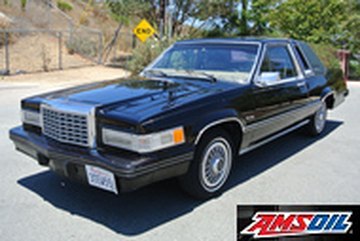
Maintaining Lubrication Standards for the 1982 Ford THUNDERBIRD 3.3L
Proper engine maintenance for a vehicle of this era requires a focus on consistent monitoring and adherence to specific fluid requirements. For owners of the 1982 Ford THUNDERBIRD equipped with the 3.3L engine, staying ahead of routine service tasks can help manage the natural aging processes associated with older mechanical systems.Monitoring Fluid Integrity and Potential Seepage
As vehicles age, the integrity of various seals and gaskets may change due to thermal cycling and time. When performing routine inspections on a 1982 Ford THUNDERBIRD, it is useful to look for any signs of fluid seepage around the engine block or connection points. While some minor weeping can occur in older engines, identifying these areas early allows for better management of the vehicle's lubrication needs. During an inspection, check for:- Evidence of oil residue on the underside of the engine or near sealing surfaces.
- The condition of any visible hoses to ensure they remain pliable and free of cracks.
- Any signs of fluid accumulation in the areas where the engine meets the transmission.
Managing Long-Term Engine Health
For long-term ownership, establishing a clear understanding of the vehicle's service history is highly beneficial. If you have recently acquired this 1982 Ford THUNDERBIRD, your first priority should be to establish a maintenance baseline. This involves reviewing any available records to see when the oil and filters were last replaced and identifying any previous repairs that might affect current maintenance needs. If documentation is incomplete, treating the vehicle as if it requires a fresh service baseline can provide peace of mind. Prioritize addressing any active signs of neglect or overdue maintenance tasks first. By keeping a detailed log of all fluid changes, filter replacements, and mechanical observations, you create a roadmap for future service that helps distinguish between necessary preventive maintenance and unnecessary component replacement.Observing Changes in Lubricant Condition
The condition of the engine oil itself can provide significant information about the internal state of the 3.3L engine. When checking the oil level, pay close attention to the color and texture of the fluid on the dipstick. While oil naturally darkens over time due to use, extreme discoloration or a gritty texture should be investigated. Other indicators that may suggest a need for closer inspection include:- Unusual mechanical noises that coincide with changes in oil temperature or engine load.
- The presence of warning indicators on the dashboard related to lubrication systems.
- Changes in how the engine behaves shortly after a recent service has been performed.
Practical Inspection of Engine Accessories
Beyond the lubrication system, several peripheral components should be part of a regular maintenance routine. If equipped, accessible drive belts should be inspected for signs of wear such as glazing, fraying, or cracking. These components are vital for the operation of various engine accessories, and their condition can impact overall engine performance. Additionally, inspecting electrical connections and wiring harnesses for signs of corrosion or heat damage is a prudent step for an older vehicle. Ensuring that sensors and connectors remain clean and secure helps maintain the accuracy of the vehicle's monitoring systems.Selecting Lubricants Based on Application Data
When it comes to replenishing the engine oil, the most critical factor is matching the lubricant to the specific requirements of the 3.3L engine. Because different formulations offer different properties, such as varying levels of oxidation resistance or deposit control, you must rely on the technical data provided for your specific application. Match the engine oil to the application-specific viscosity information shown above on this page. Do not attempt to use a viscosity grade based on general knowledge or similar vehicles from different eras, as the internal clearances and requirements of this 1982 Ford THUNDERBIRD are specific to its design.Buying Engine Oil for your 1982 Ford THUNDERBIRD 3.3L
When you are ready to purchase new lubricant, always verify that the product meets the necessary quality standards for modern use while remaining compatible with your vehicle's needs. Check the product labeling carefully to ensure it aligns with the viscosity and service requirements listed in the application information on this page. Depending on your specific maintenance goals, you may encounter several options:- Conventional Oils: Standard formulations that provide reliable lubrication for many applications.
- Synthetic Blends: A combination of conventional and synthetic oils designed to offer enhanced properties.
- Full Synthetic Oils: Formulations engineered for high thermal stability and resistance to breakdown.
- High-Mileage Formulations: Some high-mileage oil formulations contain additives intended for use in aging engines, including seal-conditioning additives that may assist in maintaining the integrity of older seals.